
Au-delà du Goût : Les Subtilités de la Dégustation et Comment les Apprécier Pleinement
I love the art of tasting food and wine, it’s like a journey for your taste buds! Have you ever wondered about the nuances of tasting and how to fully appreciate them? Today, I’m here to guide you through the intricacies of tasting and help you savor every flavor to the fullest.
**What Makes Tasting an Art?**
Tasting is not just about identifying flavors; it’s about engaging all your senses to truly experience the food or drink in front of you. From the sight of the dish to its aroma, texture, and of course, taste, every detail plays a role in your overall perception. By paying attention to these elements, you can elevate your tasting experience and discover a whole new world of flavors.
**The Importance of Tasting Mindfully**
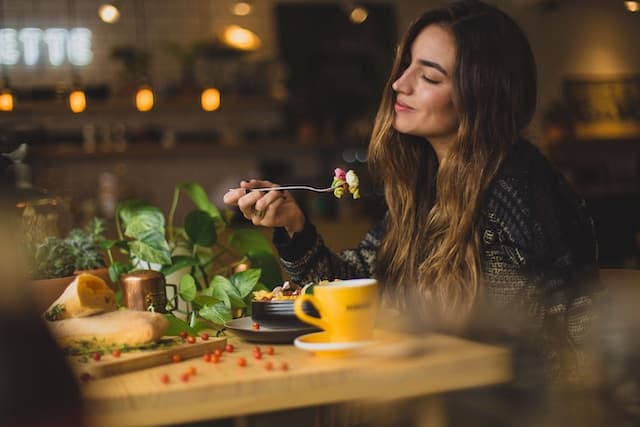
One crucial aspect of tasting is mindfulness. By being present in the moment and fully engaging with your senses, you can pick up on subtleties that may have otherwise gone unnoticed. Take your time to savor each bite or sip, allowing the flavors to unfold gradually on your palate. This mindful approach will enhance your enjoyment and help you develop a deeper appreciation for the food or wine you’re tasting.
**Tasting Tips for Beginners**
If you’re new to the world of tasting, don’t worry! Everyone has to start somewhere. Begin by focusing on one element at a time, such as the aroma, texture, or taste. Take small sips or bites and pay attention to how the flavors evolve in your mouth. Experiment with different flavor combinations and see how they interact with each other. Don’t be afraid to trust your instincts and express what you’re experiencing – tasting is a subjective experience, and there are no right or wrong answers.
**Pairing Food and Wine**
One of the most enjoyable aspects of tasting is pairing food and wine. The right combination can elevate both the dish and the wine, creating a harmony of flavors that you won’t soon forget. When pairing, consider the intensity of the flavors, the acidity, and the texture of both the food and the wine. Experiment with different pairings to find what works best for your palate, and don’t be afraid to step outside your comfort zone.
**Exploring New Flavors**
Tasting is also a great way to expand your palate and discover new flavors. Be open to trying different cuisines, ingredients, and cooking techniques. Challenge yourself to taste foods you may not have considered before, and be curious about the stories behind the dishes. You never know what hidden gems you might uncover!
**The Joy of Sharing Tasting Experiences**
Lastly, tasting is a social activity that is best enjoyed with others. Whether you’re hosting a tasting party with friends or simply sharing a meal with a loved one, discussing your impressions and thoughts can enrich the experience. Comparing notes and bouncing ideas off each other can lead to new discoveries and deepen your understanding of the flavors you’re tasting.
I hope this guide has inspired you to approach tasting with a fresh perspective and an open mind. Remember, tasting is not just about the flavors – it’s about the journey of discovery and the joy of savoring each moment. Bon appétit!